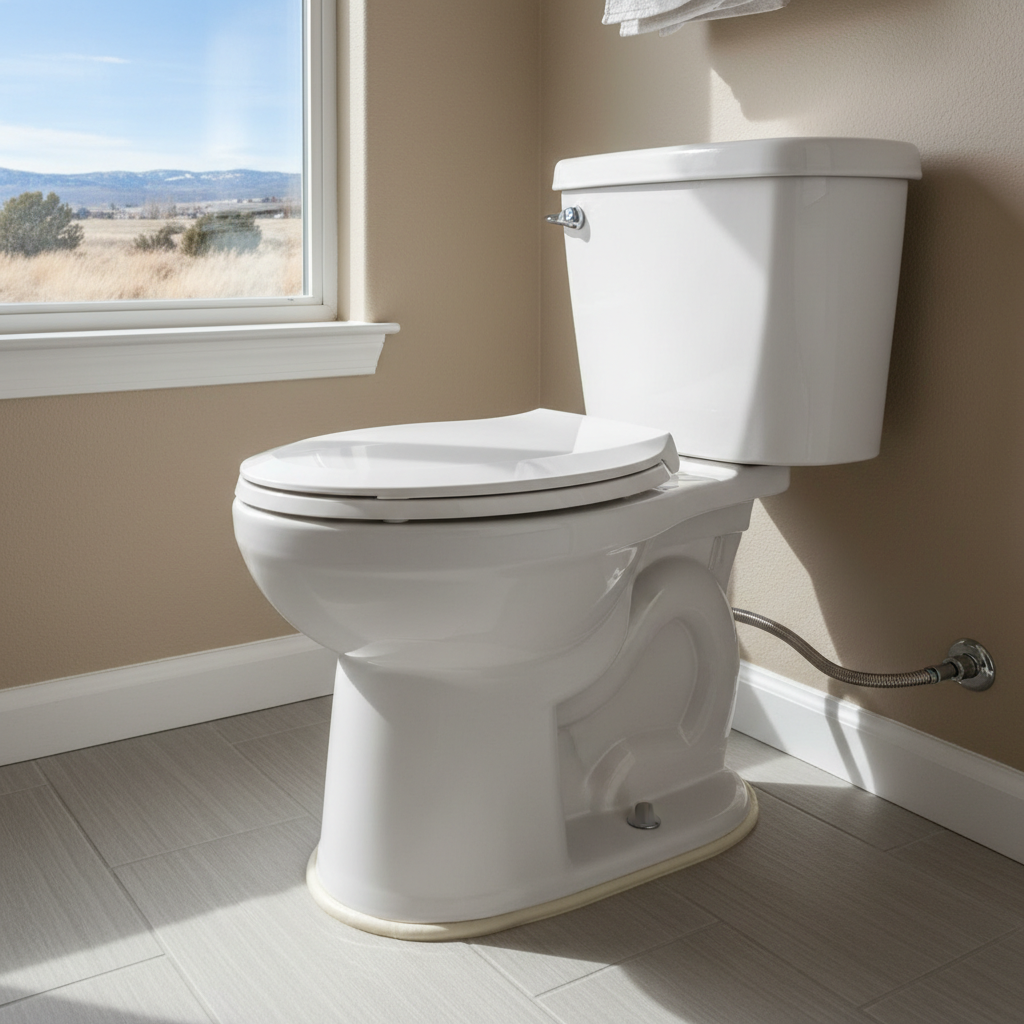
You'd think installing a toilet would be straightforward, right? It's a pretty standard fixture. But over the years, running Northglenn Drain Service, I've seen plenty of folks trip up when they're planning a new toilet installation or hiring someone to do the job. And trust me, a botched toilet installation isn't just an inconvenience; it can be a real headache and a drain on your wallet.
Mistake #1: Not Knowing Your Rough-In Measurement
This is probably the most common mistake, and it's a big one. Your toilet isn't just a toilet; it has to fit the plumbing coming out of your floor or wall. The 'rough-in' is the distance from the finished wall behind the toilet to the center of the drainpipe (the bolts that hold the toilet down). Most standard toilets are 12 inches, but you'll find 10-inch and 14-inch rough-ins out there too. If you buy a toilet with the wrong rough-in, it simply won't fit. You'll either have a gap between the tank and the wall, or it'll hit the wall and you won't be able to install it properly. Then you're stuck returning a heavy, awkward toilet, or worse, paying extra for a plumber to try and adapt it, which isn't always possible or pretty.
Mistake #2: Ignoring Water Pressure and Drain Line Condition
Just because your old toilet worked doesn't mean your plumbing is perfect for a new, high-efficiency model. Older homes, especially some of those built in the 70s and 80s around the Webster Lake area, can have lower water pressure or older drain lines that aren't as robust. A new low-flow toilet might struggle to clear the bowl effectively if your water pressure is weak, leading to multiple flushes. And if your drain line has issues, a new toilet won't fix that; it might even highlight the problem more. A good plumber will check these things out before installation, or at least discuss them with you. If they just want to swap it out without a second thought, that's a red flag.
Mistake #3: Choosing the Cheapest Bid Without Asking Questions
Everyone wants to save a buck, I get it. But when it comes to plumbing, the cheapest bid often ends up being the most expensive in the long run. I've seen jobs where a homeowner went with the lowest price, only to have leaks, wobbly toilets, or improper seals a few months down the line. Here's what you need to ask:
- What's included in the price? Does it cover removal and disposal of the old toilet? New wax ring, bolts, and supply line?
- Are you licensed and insured? Don't just take their word for it; ask for proof. This protects you if something goes wrong.
- What's your warranty on the installation? A reputable pro will stand behind their work.
- How long have you been doing this? Experience matters, especially with older homes in Northglenn that might have unique plumbing quirks.
If they can't answer these questions clearly or seem cagey, move on. It's not worth the risk.
Mistake #4: Not Considering Toilet Height and Bowl Shape
This isn't just about aesthetics; it's about comfort and accessibility. Standard height toilets are around 14-15 inches from the floor to the top of the bowl. Comfort height (or 'right height') toilets are 16-17 inches, making them easier for many adults to use, especially as we get older. Then there's bowl shape: round vs. elongated. Elongated bowls are generally more comfortable but take up more space. If your bathroom is small, an elongated bowl might make it feel cramped or even block a door swing. Think about who's using the toilet and the space available before you buy.
Mistake #5: Attempting a DIY Installation Without the Right Tools or Skills
Look, I'm all for DIY when it's appropriate. Changing a faucet aerator? Go for it. But a toilet installation involves working with your home's water supply and waste lines. You need specific tools (like a basin wrench, a good level, and a caulk gun), and you need to know how to properly seat a wax ring, tighten bolts without cracking porcelain, and ensure all connections are watertight. A tiny leak under the toilet can go unnoticed for weeks, causing significant subfloor damage and mold. If you're not confident, or if you've never done it before, it's really best to call a professional. It's a relatively small investment to avoid a potentially huge repair bill down the road.
So, before you dive into that toilet project, take a moment to measure, ask questions, and think about the long-term. A little planning goes a long way to making sure your new toilet is a flush of success, not a financial drain. And if you need a hand, you know who to call at Northglenn Drain Service.